Lazar Markovich Lissitzky was born in 1890 in Pochinok, a small town in the Pale of Settlement in the Russian Empire, and grew up in Vitebsk and Smolensk. Barred by Imperial Russia’s Jewish quota from studying architecture in St Petersburg, he travelled to Germany and enrolled at the Technische Hochschule Darmstadt in 1909, graduating as an engineer-architect in 1914.
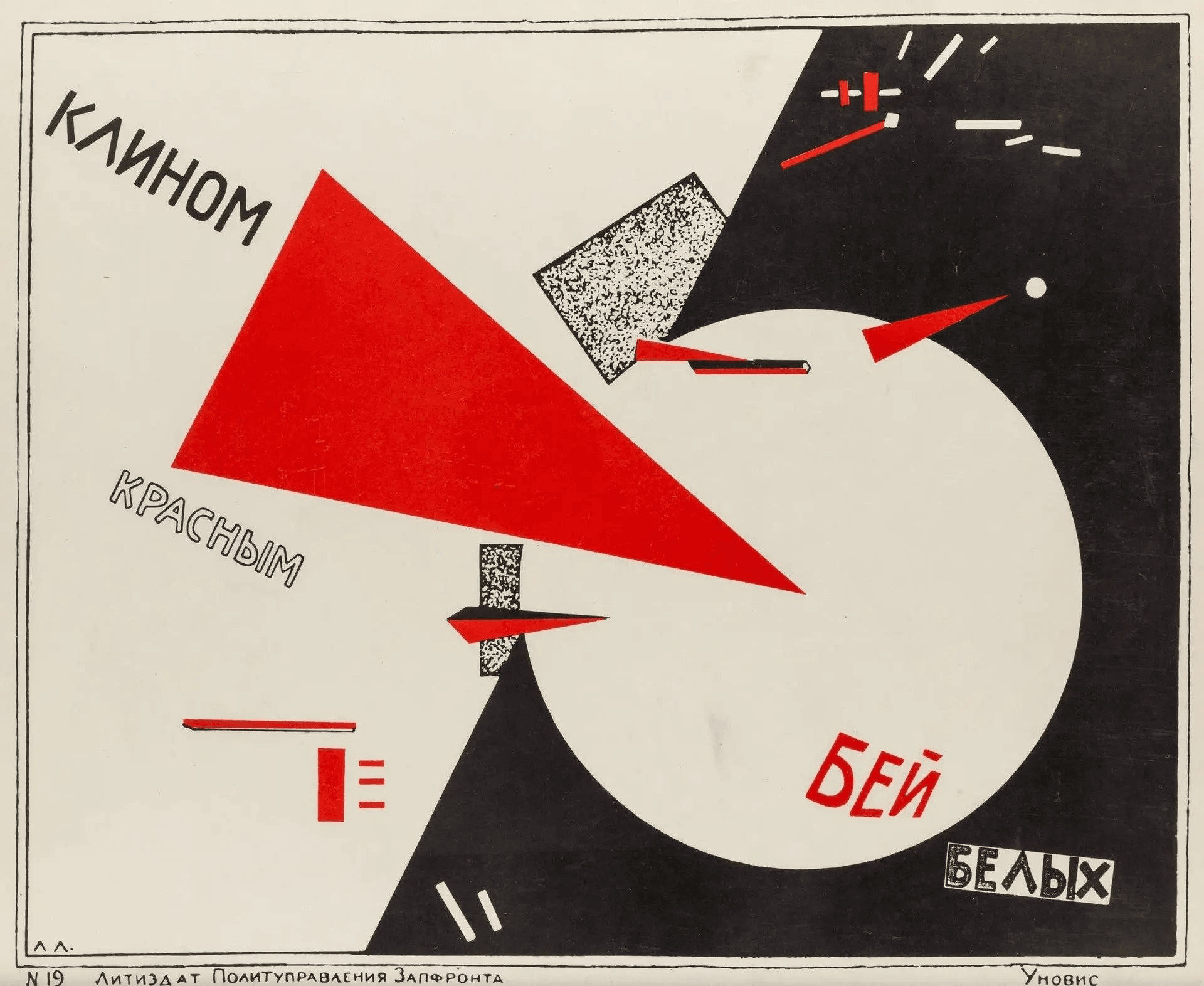
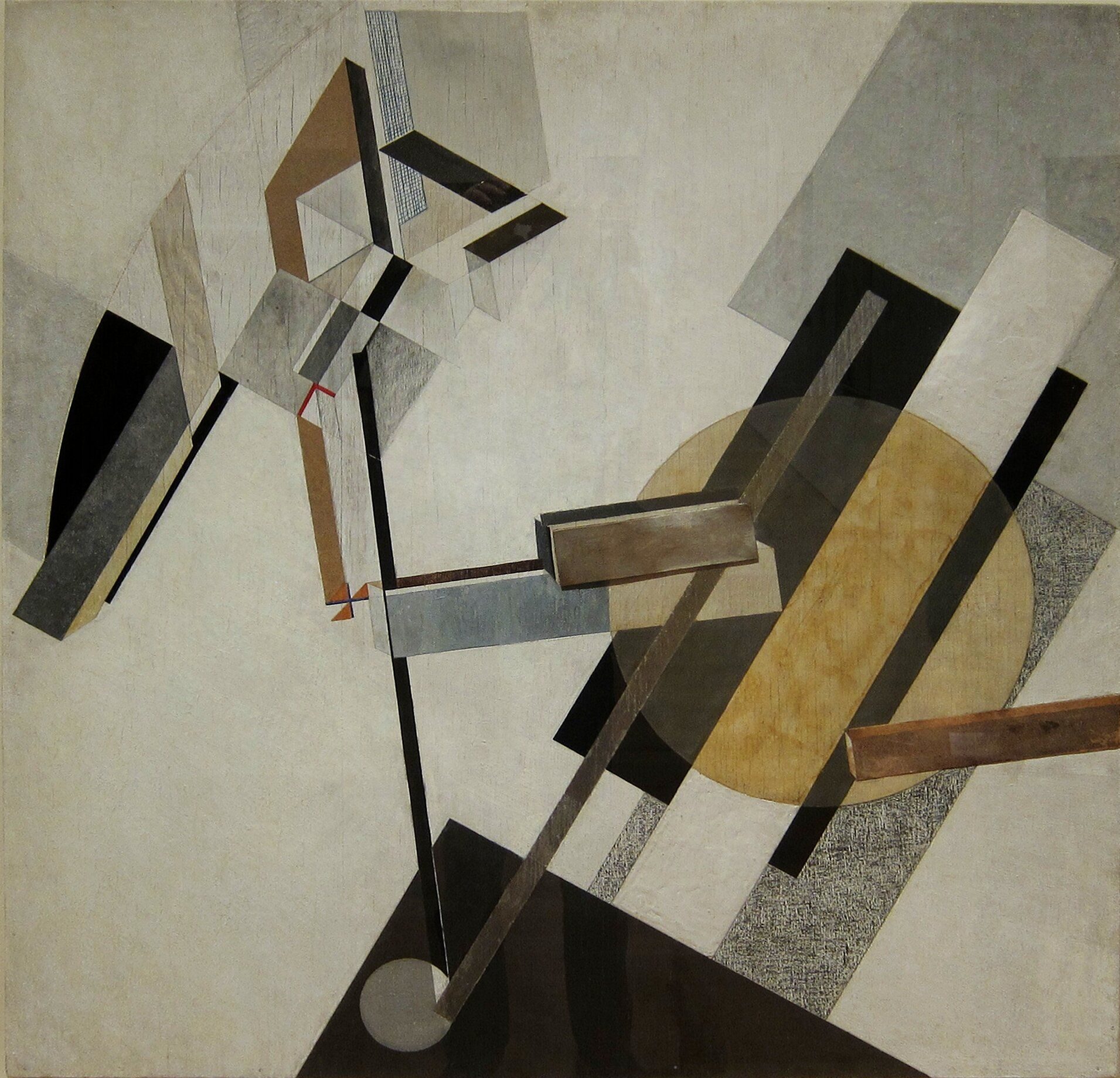
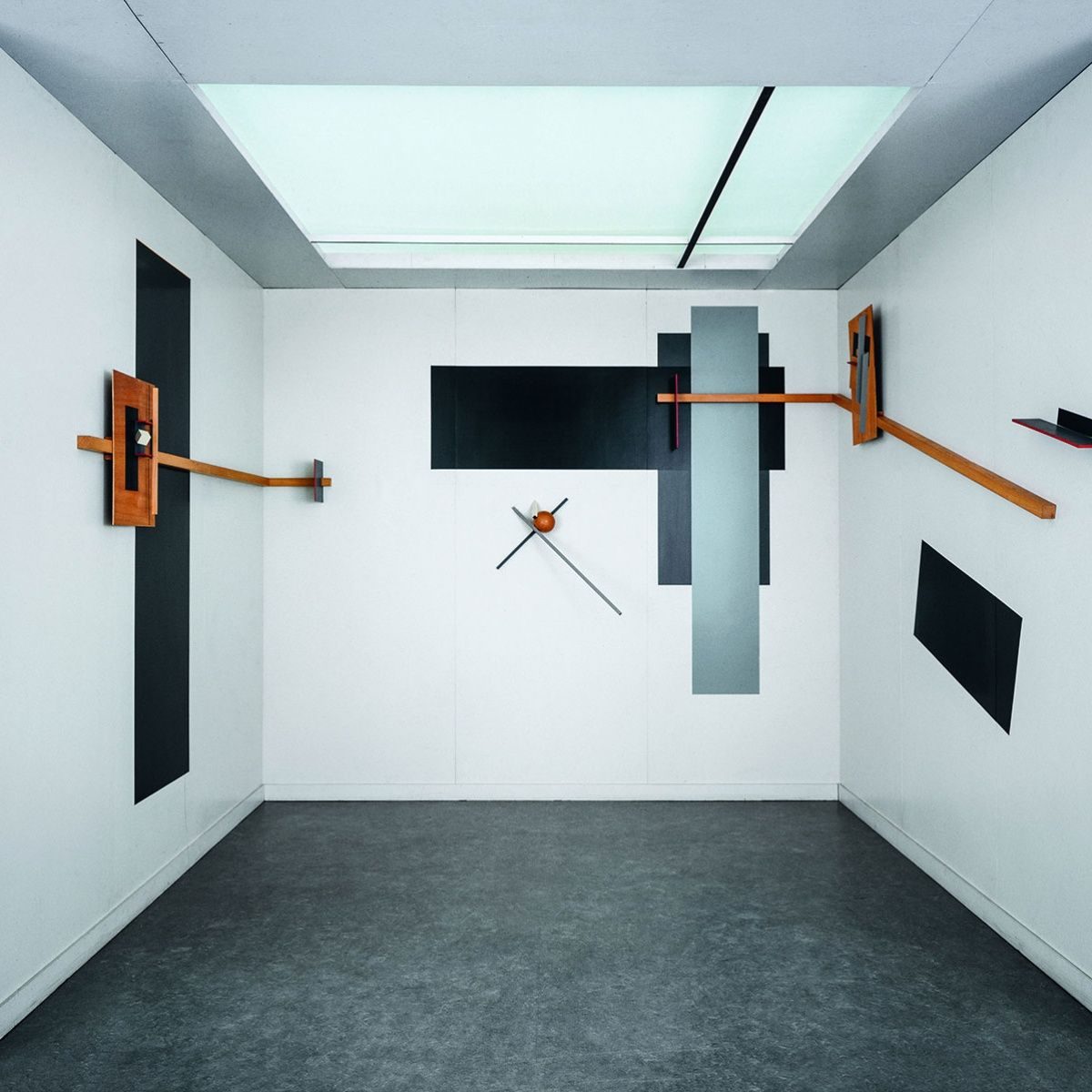
The Russian Revolution brought him back. In 1919 Marc Chagall appointed him to the faculty of the Vitebsk Popular Art School, where he met Kazimir Malevich. Lissitzky set aside figurative Jewish folk illustration and took up Suprematism — then pushed Malevich’s flat geometric language into architecture and print. The result was PROUN, a body of work he described as “the station where one changes from painting to architecture”.
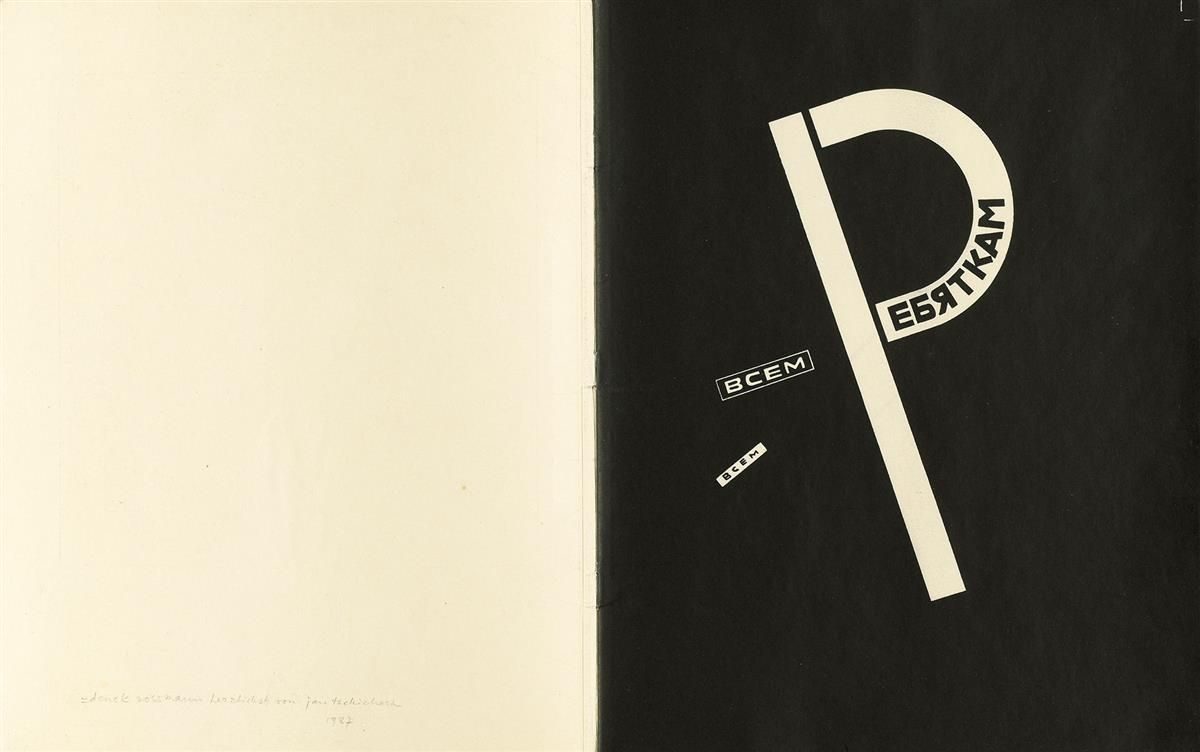
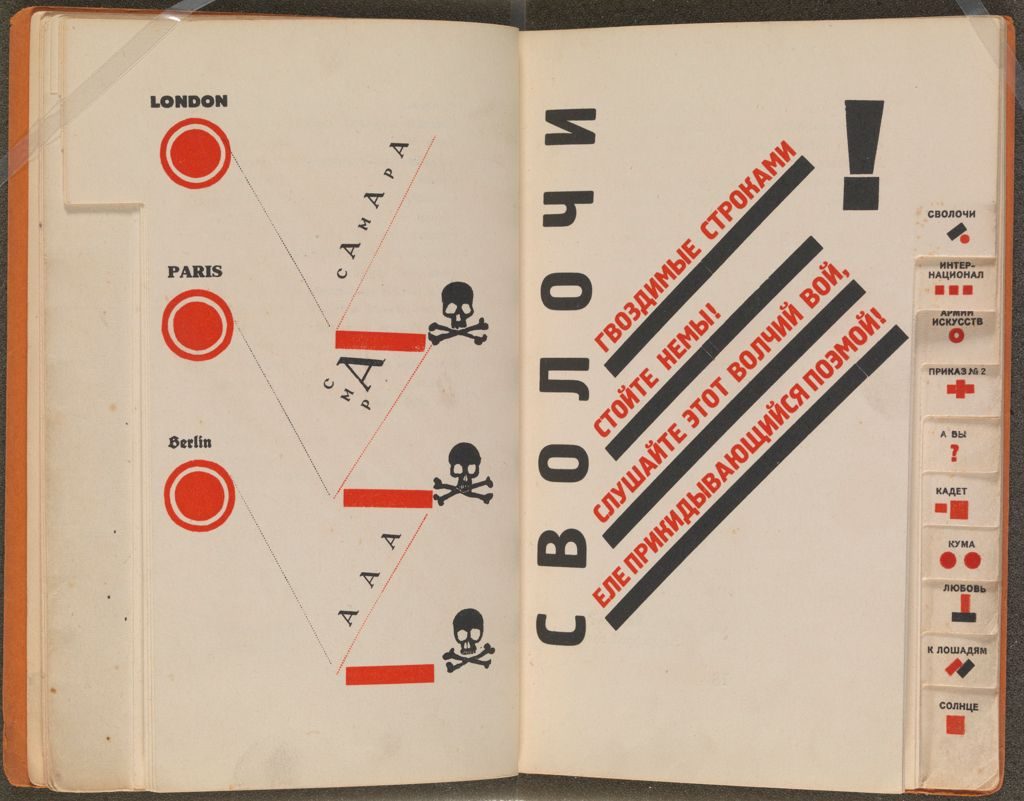
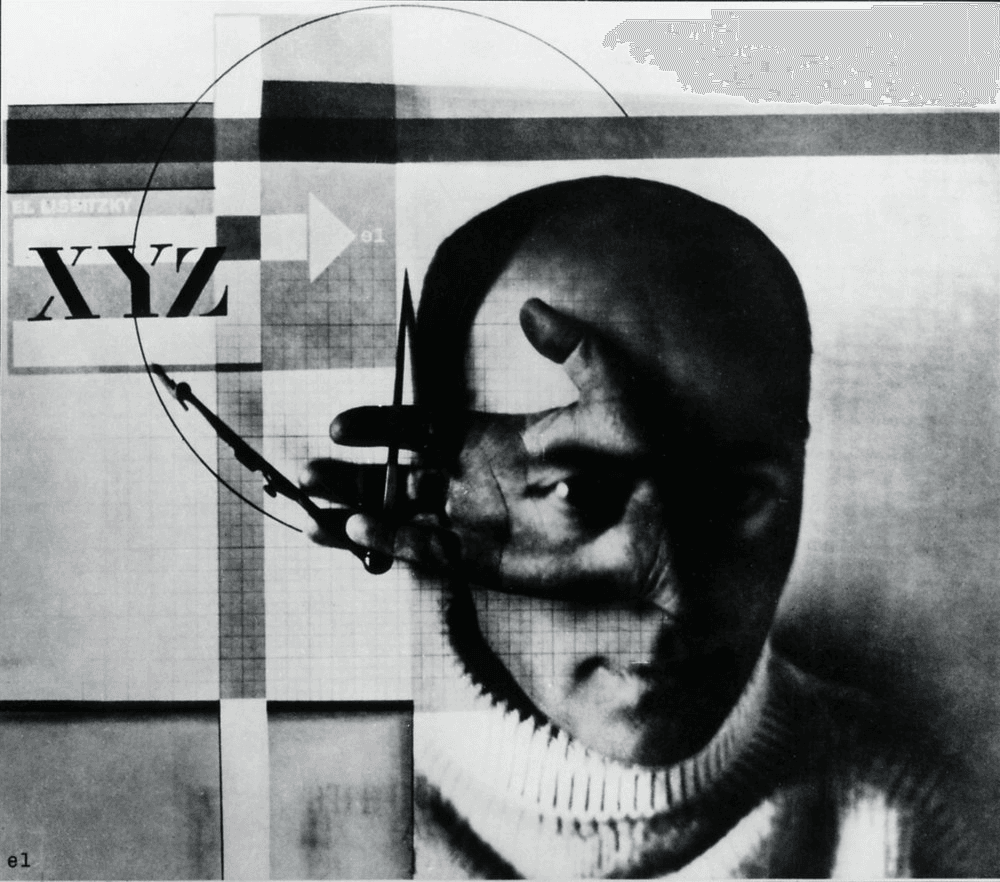
From 1921 Lissitzky taught at VKhUTEMAS in Moscow and then moved to Berlin as a Soviet cultural ambassador, where he met Theo van Doesburg, Kurt Schwitters and László Moholy-Nagy. The Berlin years produced his most concentrated graphic output: Of Two Squares, For the Voice, the journal Veshch / Gegenstand / Objet edited with Ilya Ehrenburg, and his photomontage self-portrait The Constructor.
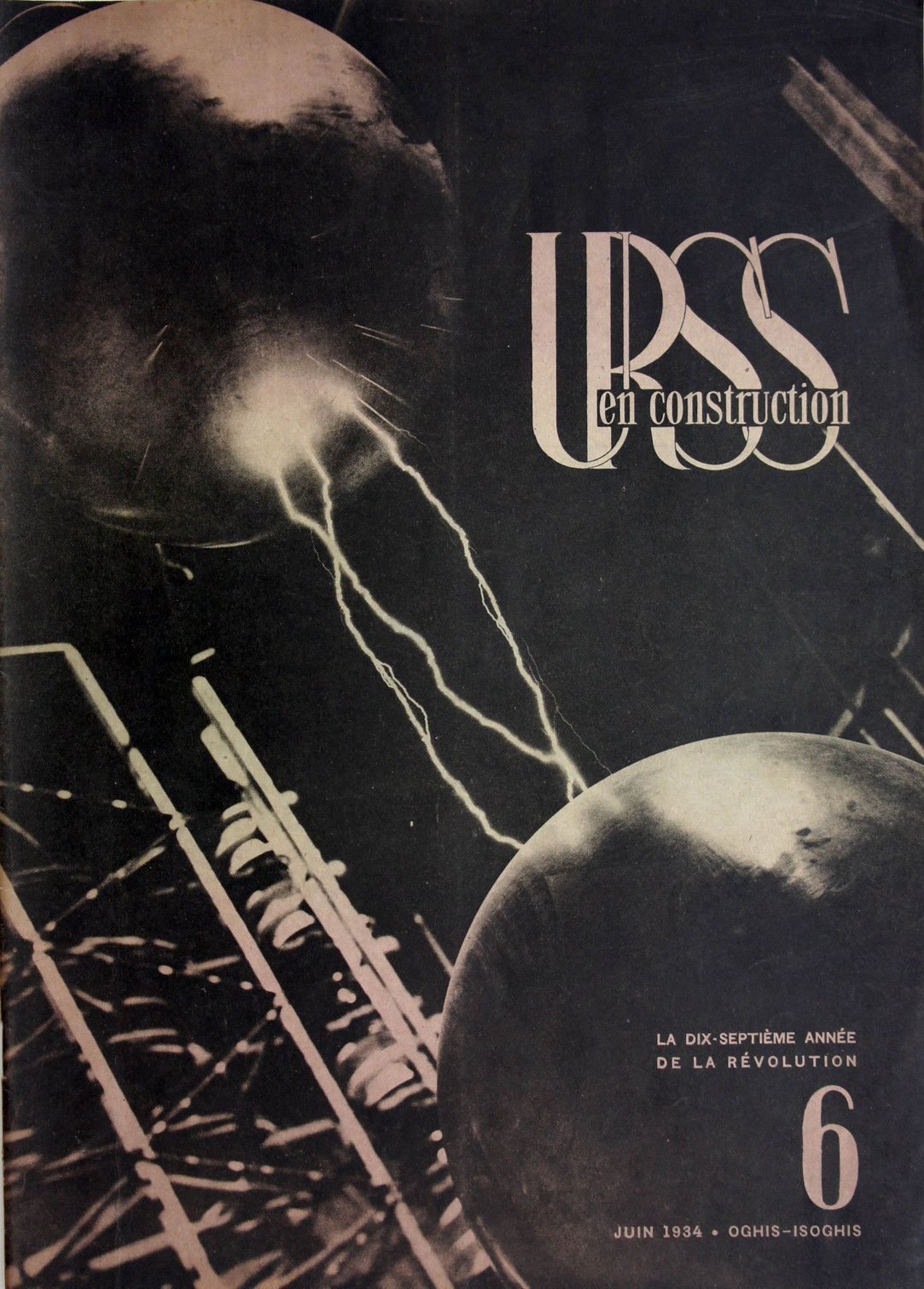
Tuberculosis cut his life short. Diagnosed in 1923, he spent the 1930s working primarily on Soviet exhibition and propaganda design, including the journal USSR in Construction. He died in Moscow in 1941, aged 51.