Design history · 1960s

Milton Glaser

The designer who made American graphic design feel like New York.

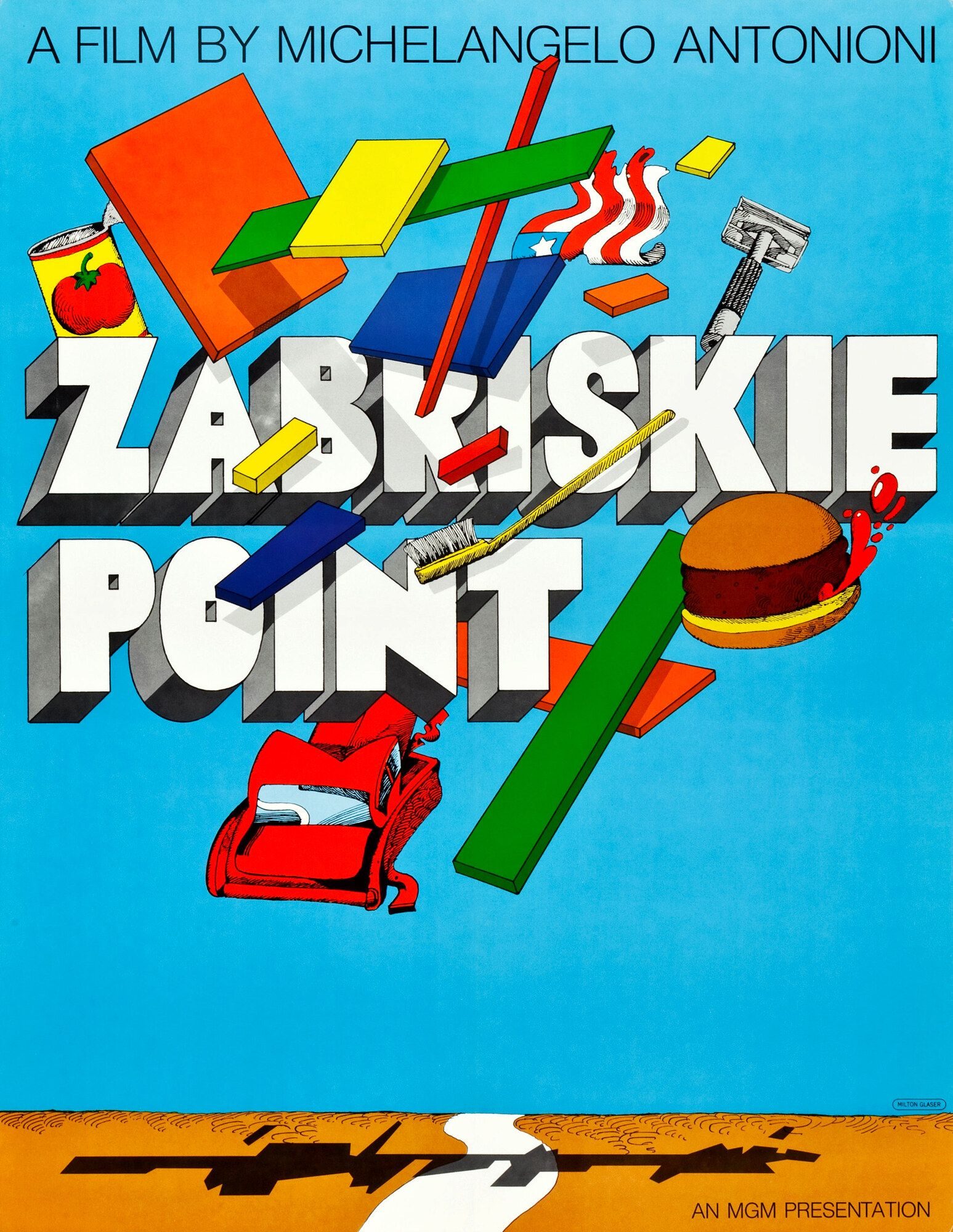
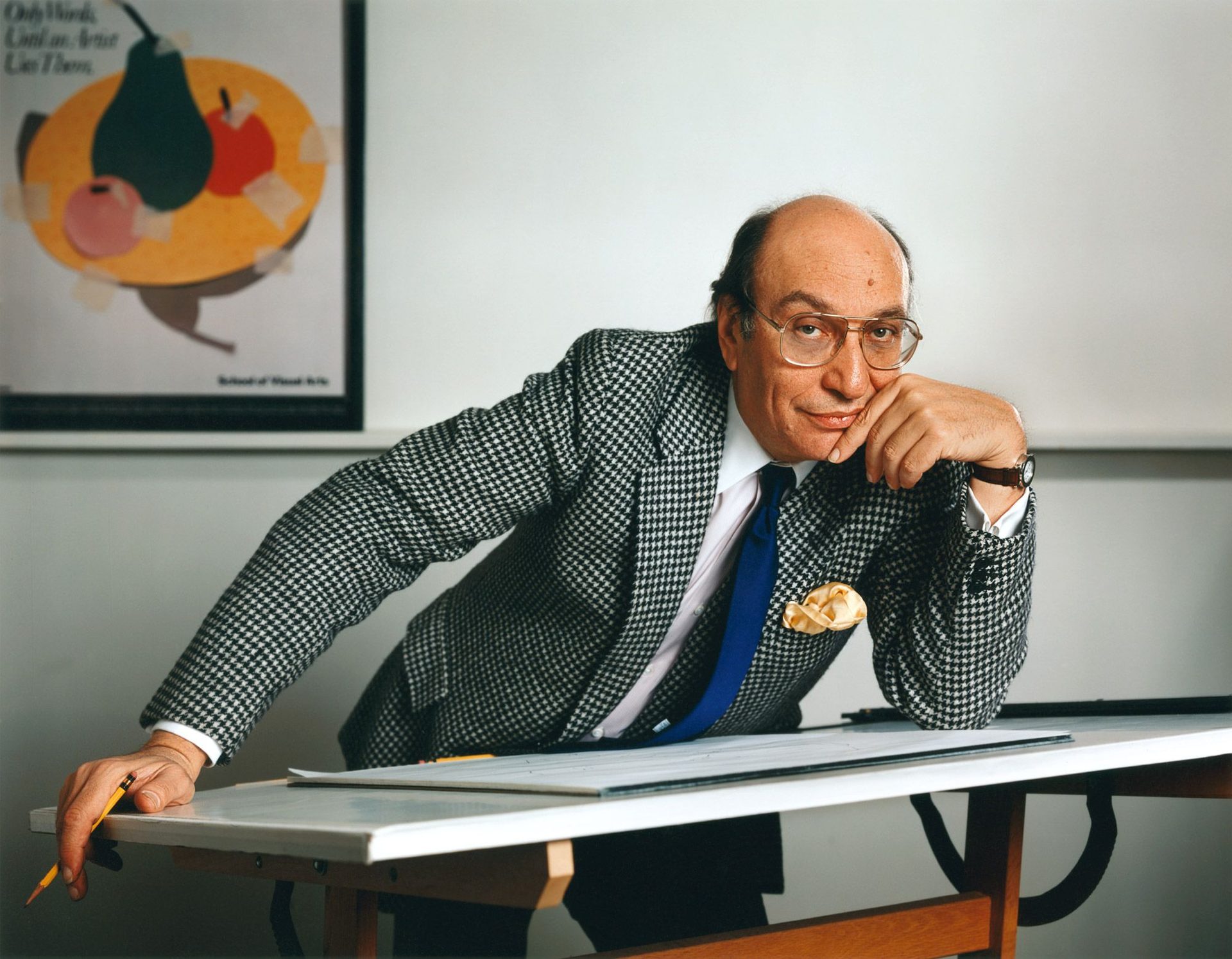
Milton Glaser (1929–2020) is the American graphic designer behind I ♥ NY, the silhouetted Bob Dylan poster and the Brooklyn Brewery identity. Co-founder of Push Pin Studios and New York magazine, he bent mid-century modernism into something warmer — illustrative, witty and unmistakably metropolitan — across a six-decade career.

Key facts

Born
26 June 1929, The Bronx, New York
Died
26 June 2020, Manhattan, New York
Nationality
American
Era
Mid-century modern · American editorial · postmodern identity
Studios
Push Pin Studios (co-founder, 1954) · New York magazine (co-founder, 1968) · Milton Glaser Inc. (1974)
Known for
I ♥ NY (1977) · Bob Dylan poster (1966) · Brooklyn Brewery (1996) · DC Comics bullet logo (1977)

Biography

Milton Glaser was born in the Bronx in 1929 to Hungarian Jewish immigrants. He studied at Cooper Union in the late 1940s and won a Fulbright fellowship to study etching under Giorgio Morandi in Bologna in 1952. That grounding in fine-art printmaking — and specifically in Morandi’s discipline of infinite variation on a narrow vocabulary — stayed with him for the rest of his career.

In 1954 Glaser returned to New York and co-founded Push Pin Studios with fellow Cooper Union graduates Seymour Chwast, Ed Sorel and Reynold Ruffins. Push Pin became the counterweight to the European modernism arriving through Unimark and Vignelli. Where the modernists insisted on Helvetica and the grid, Push Pin drew from Art Nouveau, Victorian ephemera, American folk art and contemporary illustration. It is the studio that made American editorial design feel specifically American.

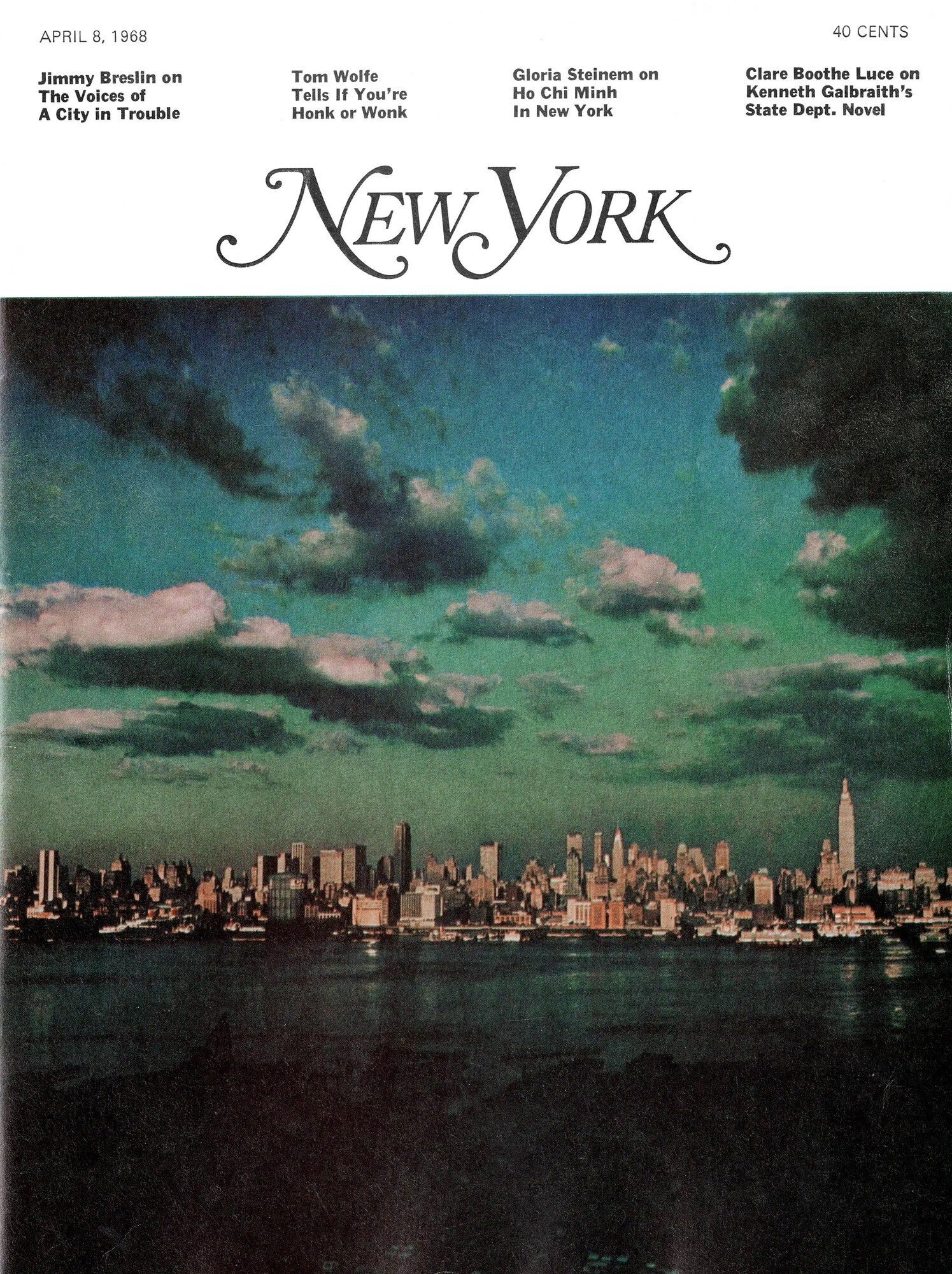
In 1968 Glaser co-founded New York magazine with Clay Felker, serving as its president and design director for nearly a decade. The magazine’s visual language — witty covers, expressive typography, strong illustration — shaped the template for every city magazine that followed.

In 1974 Glaser left New York and established Milton Glaser Inc. Three years later he donated the I ♥ NY logo to the state during the city’s fiscal crisis. The mark became one of the most recognisable pieces of graphic design ever made; Glaser was never paid for it and refused to claim royalties when asked.

He taught at the School of Visual Arts from 1961 until his death, and in 2009 became the first graphic designer to receive the US National Medal of Arts. He died in Manhattan on his 91st birthday in 2020, still working.


Design philosophy

Glaser’s position was that design is an act of translation. The designer’s job is to move an idea from a client’s head into a public context, and the specific tools of the move — type, colour, illustration, composition — have to serve the idea, not the designer’s personal style.

“There are three responses to a piece of design: yes, no, and wow. Wow is the one to aim for.” — Milton Glaser

He was unusually articulate about the ethics of the profession. In a 2001 lecture at AIGA he published Ten Things I Have Learned, a widely circulated list that ranks “You can only work for people that you like” and “Less is not necessarily more” against the received modernist wisdom of the time. He was sceptical of purely formal argument and interested in the social and emotional function of graphic objects.

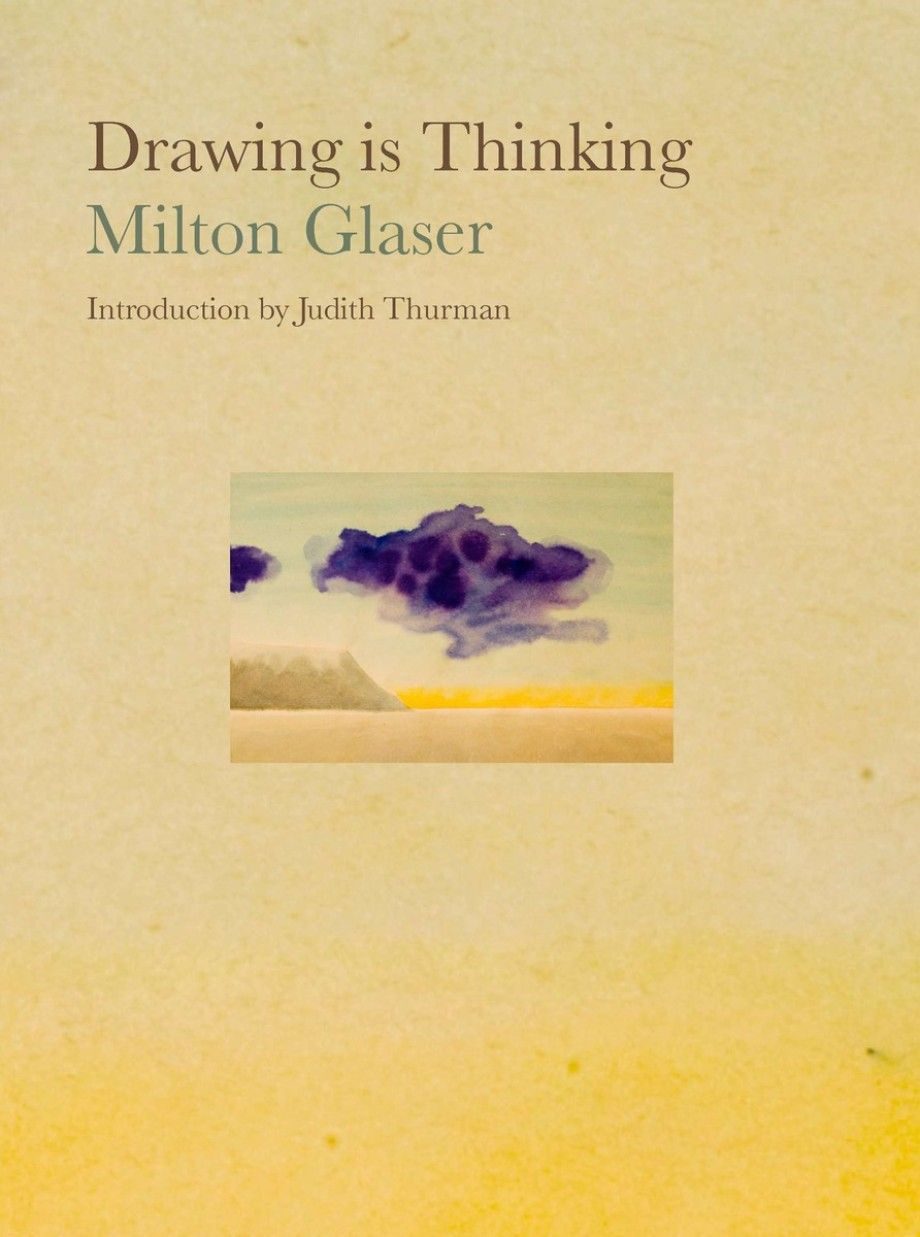
“Drawing is thinking.” — Milton Glaser, Drawing is Thinking (2008)

He drew constantly, and insisted that students draw constantly. For Glaser, the ability to draw by hand was inseparable from the ability to think visually — not because computer tools were bad, but because the mechanical act of drawing made the brain notice relationships it otherwise skipped.

His eclectic visual vocabulary — Art Nouveau curves, Persian miniature decoration, comic-strip directness, Bauhaus type discipline — was the opposite of Vignelli’s six-typeface restraint. Both positions were serious. Graphic design needed both.

Key works

I ♥ NY (1977) — Commissioned pro-bono by the New York State Department of Commerce during the fiscal crisis. American Typewriter type, red heart replacing the verb, arranged as a square. Glaser did initial sketches on an envelope in the back of a taxi. One of the most copied, parodied and adapted marks in graphic-design history.

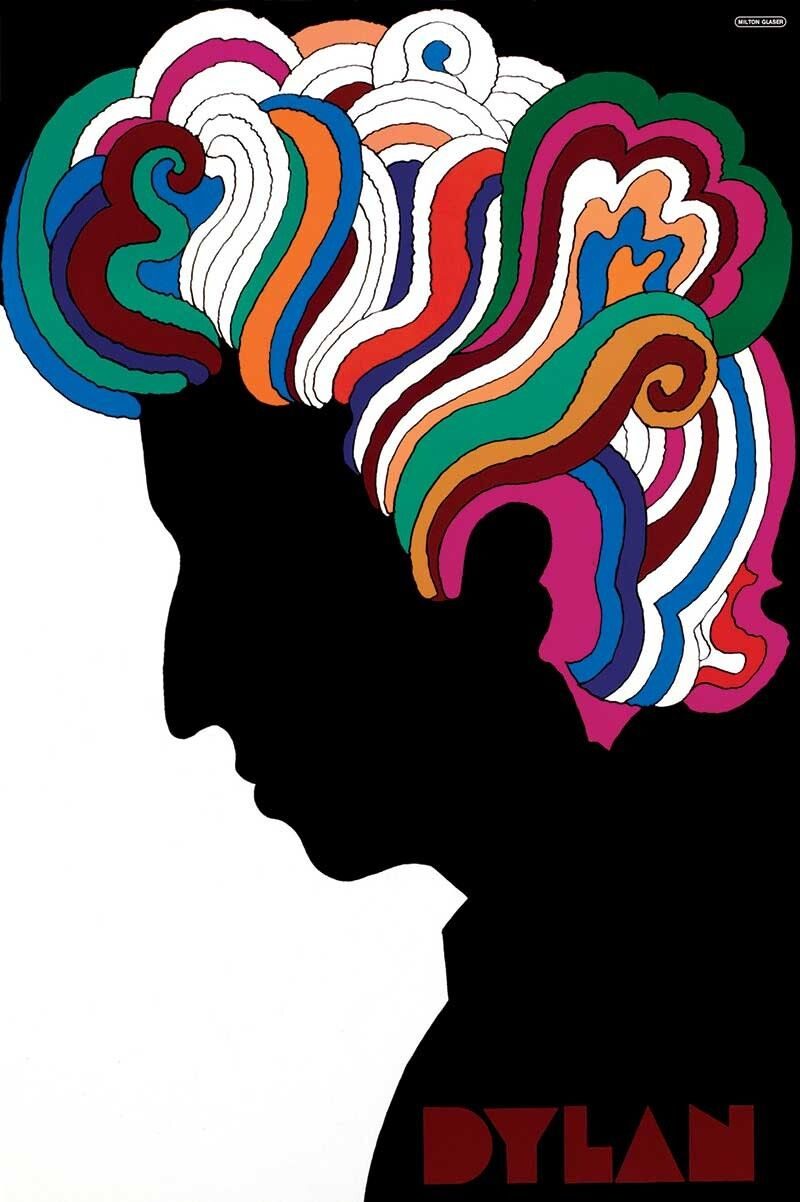
Bob Dylan poster (1966) — A black silhouetted profile with kaleidoscopic hair, commissioned as an insert for Dylan’s Greatest Hits. Glaser credited Marcel Duchamp’s 1957 self-portrait silhouette and Persian miniature decoration as direct sources. Six million copies were distributed with the album, making it one of the most widely seen graphic works of the 1960s.

New York magazine (1968 onward) — Co-founded with Clay Felker; Glaser directed the design for the first decade. The visual language of the American city magazine begins here.

DC Comics “bullet” logo (1977) — Stars-and-stripes roundel used on every DC publication for nearly three decades.

Brooklyn Brewery (1996) — Hand-drawn green “B” and wordmark. Became the visual template for American craft-beer branding.

Mad Men title sequence (2007, as acknowledged influence) — Glaser-era New York magazine and Push Pin illustration vocabulary was openly cited by the show’s designers as their reference frame.

Iconic works

I ♥ NY logo, 1977

I ♥ NY logo

1977

Pro-bono mark commissioned by the New York State Department of Commerce during the city's fiscal crisis of 1975. American Typewriter type with a red heart replacing the word "love", arranged as a near-square block. Glaser made the initial sketch on a scrap of paper in a taxi on the way to a client meeting. He donated the design and was never paid; the original artwork is held in the permanent collection of the Museum of Modern Art, New York. The mark remains in official use by New York State.
I ♥ NY logo (1977).
Bob Dylan poster, 1966

Bob Dylan poster

1966

Silhouetted profile with kaleidoscopic hair, commissioned by Columbia Records as an insert for the 1967 album Bob Dylan's Greatest Hits. Glaser credited Marcel Duchamp's 1957 self-portrait silhouette and Persian miniature painting as direct sources for the coloured hair treatment. Six million copies were distributed with the album. A copy is held in the permanent collection of the Museum of Modern Art, New York.
Bob Dylan poster (1966).
DC Comics "bullet" logo, 1977

DC Comics "bullet" logo

1977

Commissioned by DC Comics (then a subsidiary of Warner Communications) in 1977, the roundel incorporated a stars-and-stripes motif within a circular badge. It appeared on the spine and cover of every DC Comics publication for nearly three decades, being retired in 2005 when DC introduced a new corporate identity.
DC Comics "bullet" logo (1977).
Brooklyn Brewery identity, 1996

Brooklyn Brewery identity

1996

Designed pro-bono for brewery founders Steve Hindy and Tom Potter, the hand-lettered green "B" monogram and accompanying wordmark draw from early twentieth-century American commercial lettering. The identity established a visual register for the Brooklyn craft-beer industry and remains in use by the brewery today.
Brooklyn Brewery identity (1996).
New York magazine (co-founder + design direction), 1968

New York magazine (co-founder + design direction)

1968

Co-founded with journalist and editor Clay Felker, who had previously edited Esquire's feature section. Glaser served as President and Design Director from 1968 through 1977, establishing the visual conventions of the American city magazine: expressive cover illustration, assertive typographic hierarchy and strong section identity. He departed when Rupert Murdoch acquired the title in 1977.
New York magazine (co-founder + design direction) (1968).
Graphic Design (essay), 1973

Graphic Design (essay)

1973

Published by Overlook Press in 1973, this was among the first substantial surveys of Glaser's practice, assembling posters, magazine work, identity projects and illustration from the Push Pin Studios period. The volume contributed to his international recognition at a time when American graphic design was gaining wider attention in European design publishing.
Graphic Design (essay) (1973).
Drawing is Thinking, 2008

Drawing is Thinking

2008

Published by Overlook Press in 2008, the book pairs several hundred of Glaser's drawings with written reflections on the relationship between hand draftsmanship and conceptual design. The central argument holds that the act of drawing is not preliminary to the design process but constitutive of it, a position Glaser developed across five decades of studio practice and teaching at the School of Visual Arts.
Drawing is Thinking (2008).
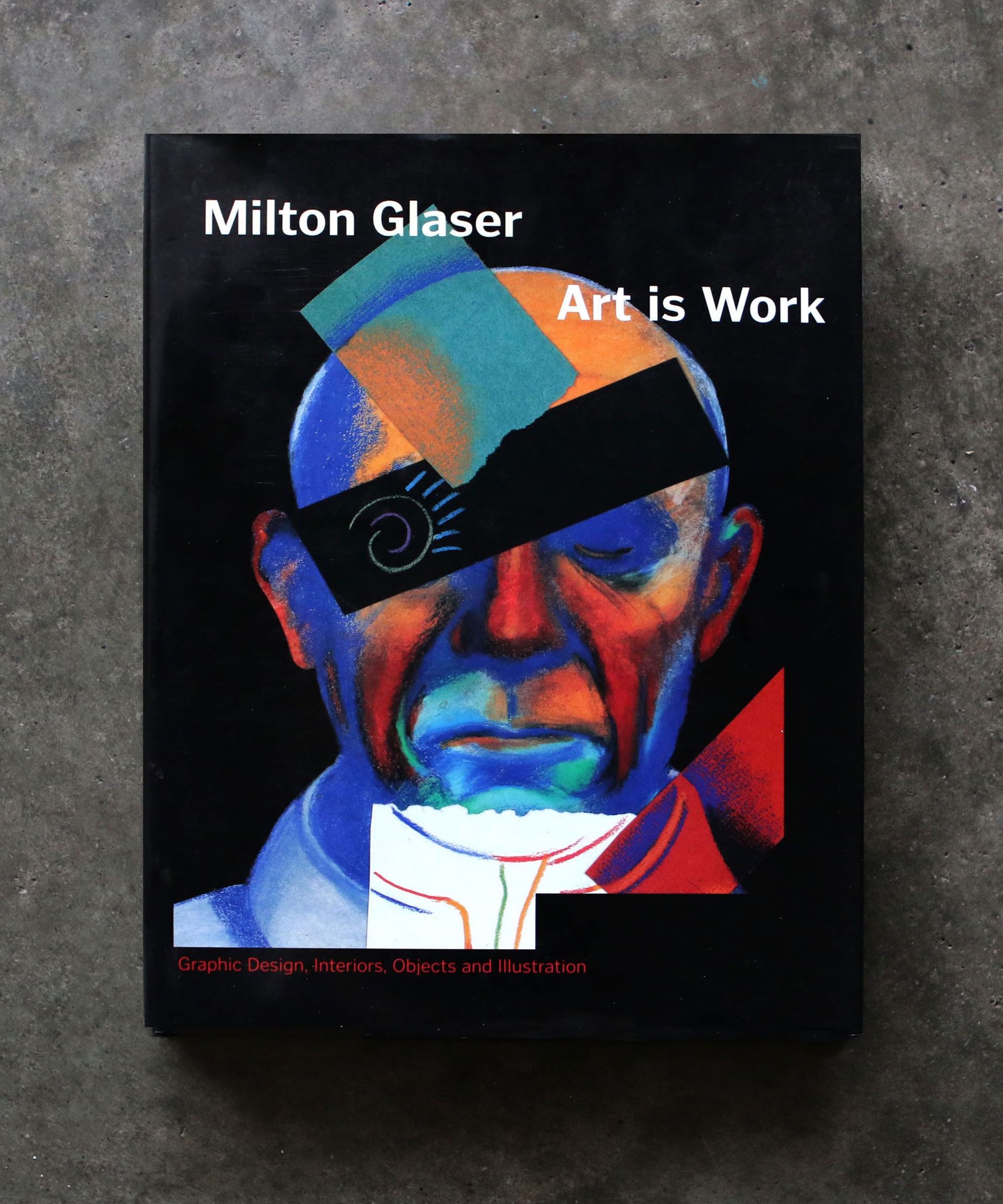
Art is Work, 2000

Art is Work

2000

Published by Overlook Press (United States) and Duckworth (United Kingdom) in 2000, the volume surveys Glaser's output from the Push Pin Studios years through Milton Glaser Inc., covering posters, logos, magazine design, book jackets and environmental graphics. It remains the most comprehensive single-volume account of his career.
Art is Work (2000).

Influence & legacy

Glaser’s influence is unusually broad because he practised across the full range of American graphic-design disciplines: illustration, editorial, identity, signage, pro-bono public service, writing and teaching. His lineage runs through every Push Pin Studios designer (Seymour Chwast, Paul Davis, James McMullan) and through six decades of School of Visual Arts graduates.

He is probably the most-widely-taught American graphic designer of the second half of the twentieth century. Ten Things I Have Learned appears on design-school reading lists alongside the Vignelli Canon and Thoughts on Design — the three forming a kind of ethical core curriculum for the discipline.

The I ♥ NY mark has outgrown its author in a way that few other works in the field have. It has been copied onto every city wordmark since. Glaser redrew it once, as I ♥ NY More Than Ever, in the days after 11 September 2001 — adding a small black smudge to the heart — and the Daily News printed it as a poster to be pulled from the paper and taped to windows.

His death in 2020 was treated as a national event, which for a graphic designer is itself part of the legacy.

Learn at TGDS

Milton Glaser’s work sits at the intersection of illustration, identity and editorial — three of our core teaching areas. If his work interests you, the most direct next steps are:

Courses

Further reading

Books

  • Milton Glaser, Art is Work (Overlook Press, 2000) — career monograph.
  • Milton Glaser, Drawing is Thinking (Overlook, 2008).
  • Milton Glaser, In Search of the Miraculous: 50 Years of Graphic Design Inspiration (Overlook, 2009).

Get Started.

You can enrol any day of the year. We are online and study is self-paced, there is no pressure. Enrol when you are ready to start, from anywhere in the world. If you would like to chat or email, feel free to get in touch.

Brochures, Phone Calls & Questions

You can download a free brochure, book a phone call with one of our course advisors, or simply ask a question.

Other ways to get in touch

Australia 1300 655 485

International +61 1300 655 485

Ask Anything info@thegraphicdesignschool.com

Get a quote accounts@thegraphicdesignschool.com

Acknowledgement of Country
The Graphic Design School acknowledges the Traditional Custodians of Country throughout Australia and their continued spiritual connection to land.
We pay respect to Elders past, present and emerging.
Always was, always will be.
RTO Provider № 91706