Design history · 1980s–present

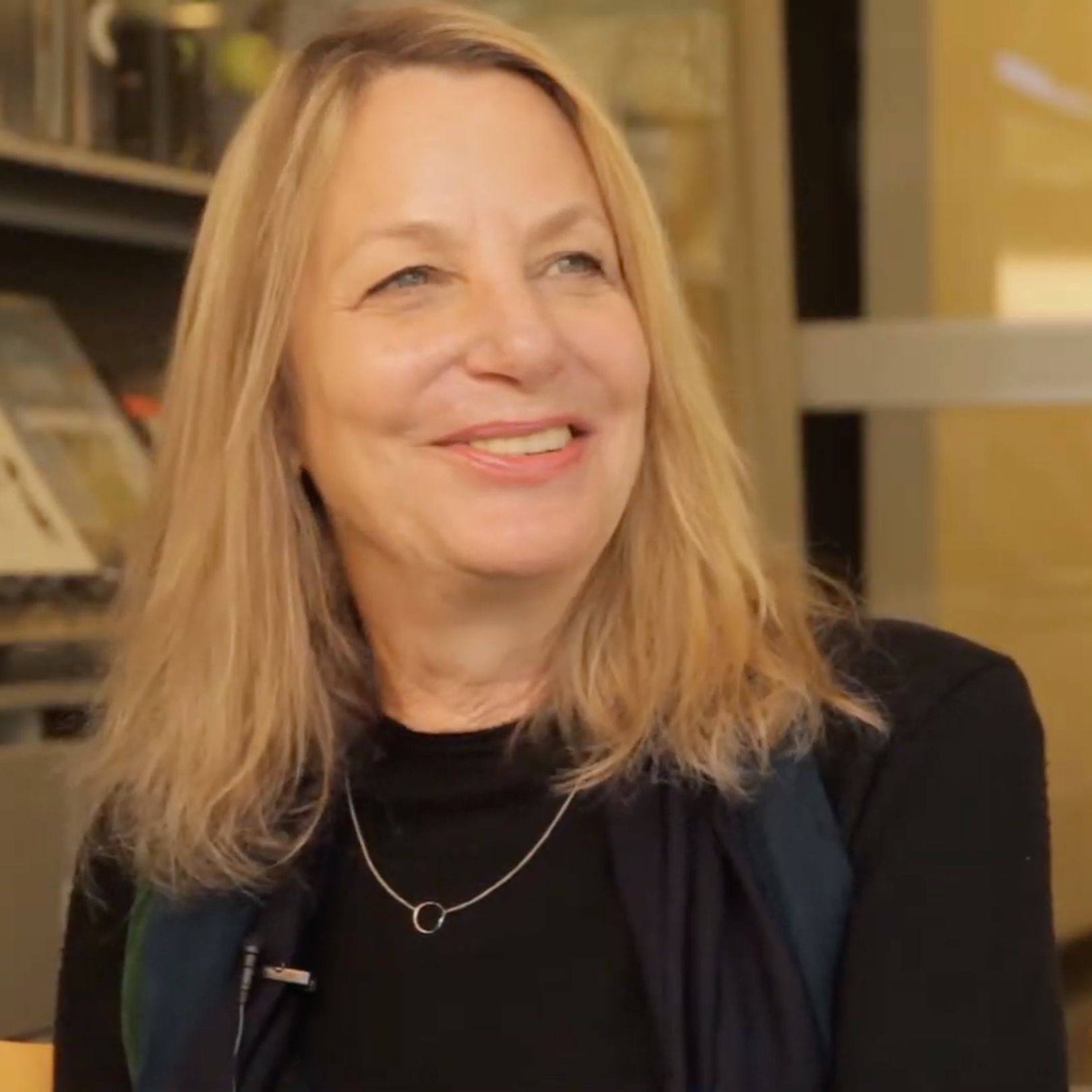
Paula Scher

The American designer who made typography shout — and stuck the landing on identity.

Paula Scher (born 1948) is the American designer who took typographic postmodernism out of the theory books and onto Fortune-500 letterheads. Her CBS Records covers and Public Theater campaigns defined two eras of typographic expression; her Citibank, Tiffany & Co. and Windows 8 identities proved the same voice could anchor global brand systems.

Key facts

Born
6 October 1948, Washington, D.C., United States
Nationality
American
Era
American postmodern · Typographic maximalism · Identity design
Studios
CBS Records (art director, 1972–1982) · Koppel & Scher (co-founder, 1984–1990) · Pentagram New York (partner, 1991–present)
Known for
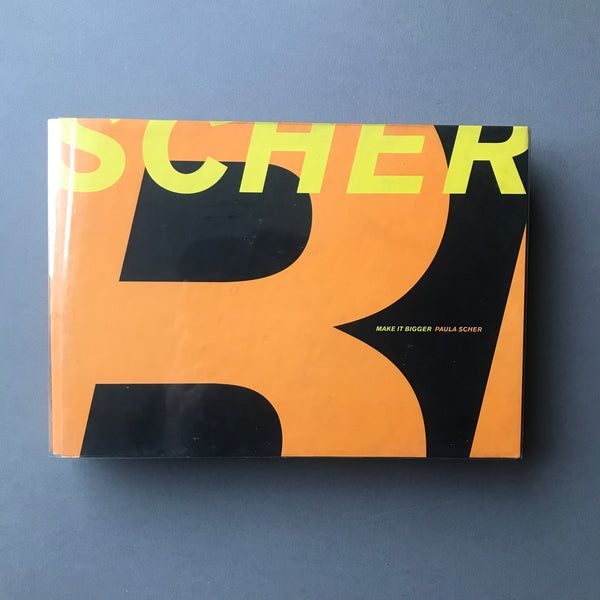
The Public Theater identity (1994–present) · Citibank logo (1998) · Windows 8 (2012) · Make It Bigger (2002)

Biography

Paula Scher was born in Washington, D.C. in 1948 and trained at Tyler School of Art at Temple University, graduating in 1970. She moved to New York and began designing book covers at Random House before landing at CBS Records in 1972. Over the next decade she rose to art director of the cover department, producing an estimated 150 album covers a year — and, along the way, two Grammy nominations for cover design.

The CBS years were where she absorbed the visual vocabulary of postwar American commercial type: Victorian wood type, Art Deco display faces, hand-lettered pastiche. The collision of these references with a modernist typographic education produced what became her signature — expressive, historical, maximal.

In 1984 she co-founded Koppel & Scher with Terry Koppel. In 1991 she joined Pentagram as its second female partner and opened the firm up to a type of work it hadn’t previously done: not just corporate identity but cultural identity — theatres, museums, opera houses.

The 1994 Public Theater commission from George C. Wolfe is often treated as the before/after moment in American identity design. It also marked Scher’s full arrival as a voice independent of any single studio style.

Scher has taught at the School of Visual Arts, New York since 1992. Her work is in the permanent collections of MoMA, the Cooper Hewitt and the Library of Congress.

Design philosophy

Scher’s working position is that design is the content — type choices, hierarchy, colour and scale are not decorations laid over meaning but the direct carriers of it.

“It’s through mistakes that you actually can grow. You have to get bad in order to get good.” — Paula Scher, Netflix Abstract: The Art of Design (2017)

She is suspicious of research as a substitute for craft judgement, and openly sceptical of design processes that aim to de-risk ideas by consensus. In Make It Bigger (2002), the title essay argues that design problems often don’t have “right” answers — only more or less interesting ones — and that a designer’s job is to have the nerve to pick one and stand behind it.

Her second premise: typography is alive. Letters have history, weight, cultural association, and a good designer uses those associations rather than smoothing them away. The Public Theater identity made that argument visible: late-nineteenth-century wood type reframed as a twenty-first-century civic voice.

Key works

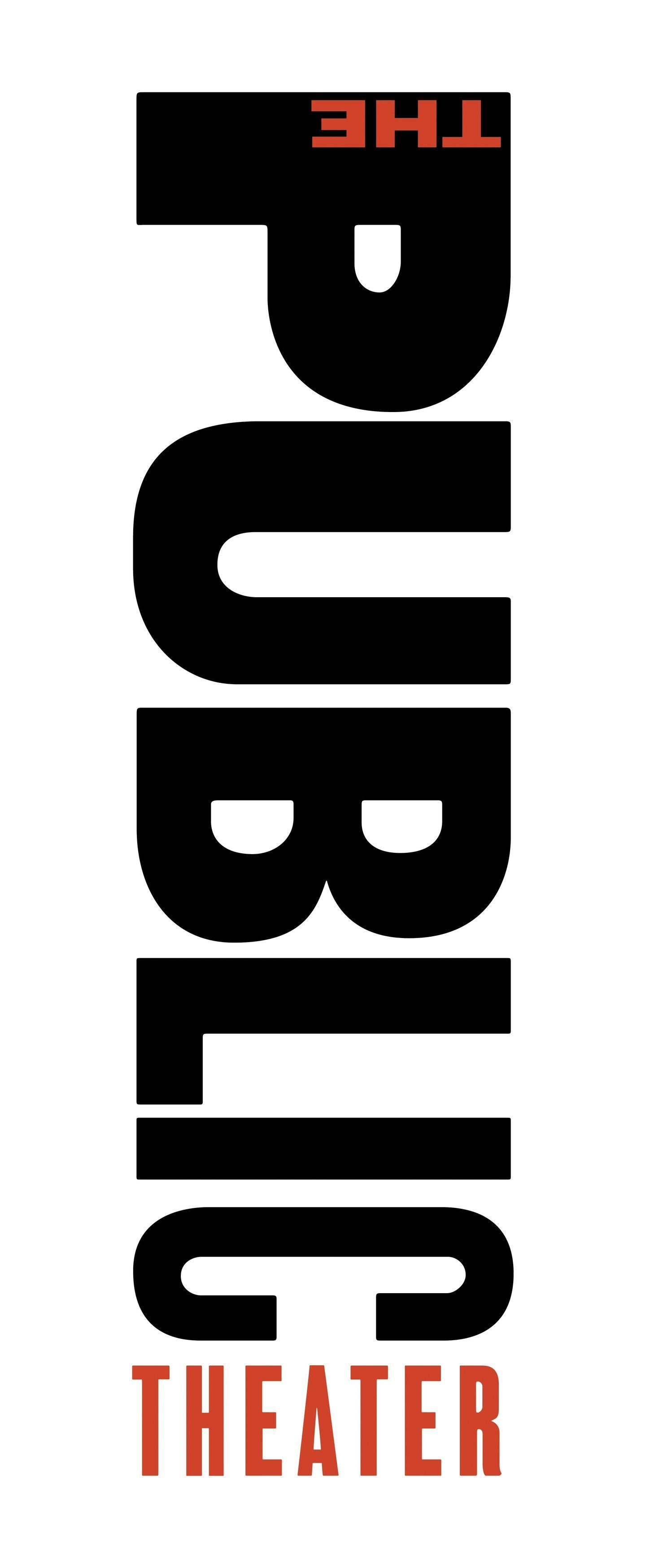
The Public Theater (1994–present) — Joseph Papp Public Theater identity system. Wood-type lettering (Knockout, Big Caslon, Morgan Poster) arranged in dense typographic posters that change every season. Possibly the most copied identity of the last thirty years.

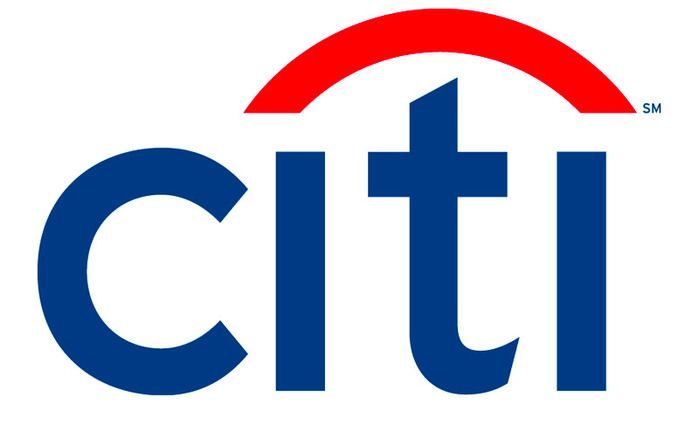
Citibank (1998) — wordmark and red-arc “umbrella” mark produced overnight for the Citigroup merger. Reportedly sketched on a napkin during the first client meeting; still in use across global operations.

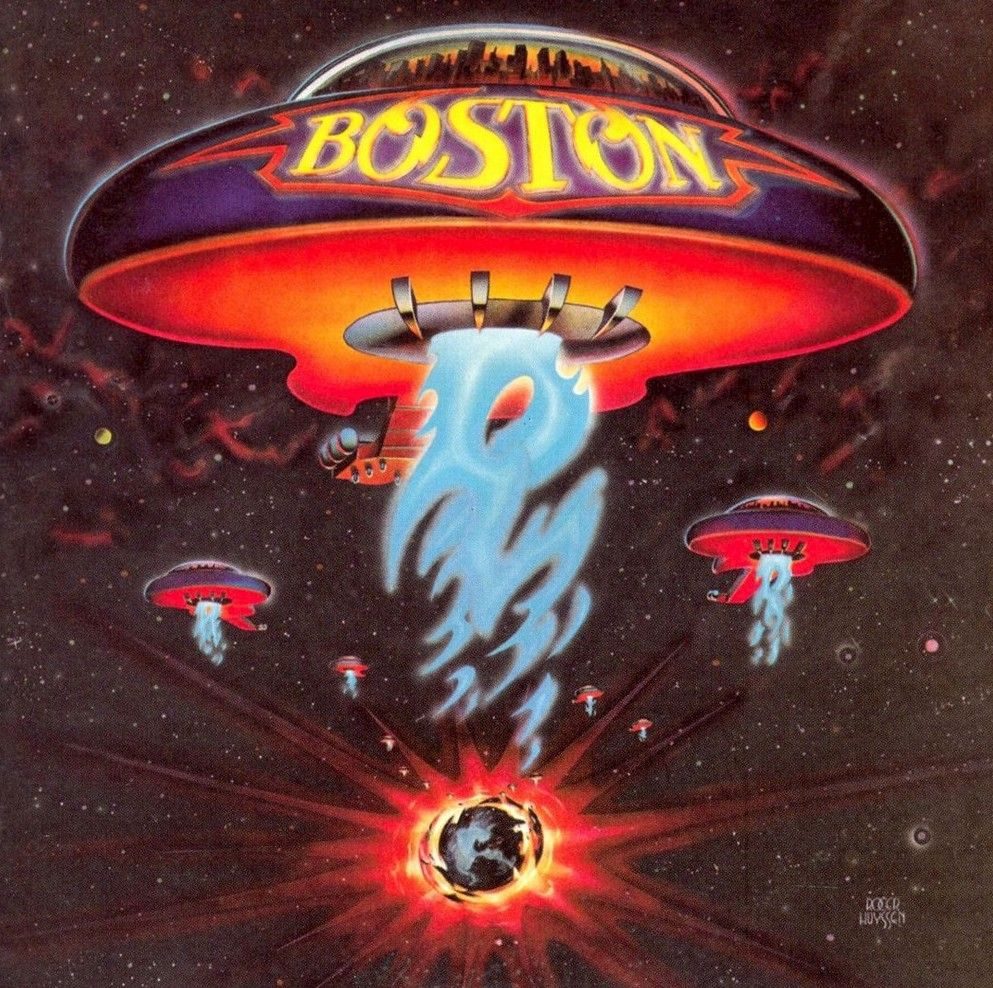
CBS Records covers (1972–1982) — album covers for Eric Gale, Boston, Cheap Trick, the Rolling Stones, Bob James and hundreds of others. The period where she worked out her typographic voice in public, one cover at a time.

Windows 8 (2012) — reinstated perspective in the Microsoft Windows logotype, replacing the four-colour flag with a single-colour window- in-perspective mark.

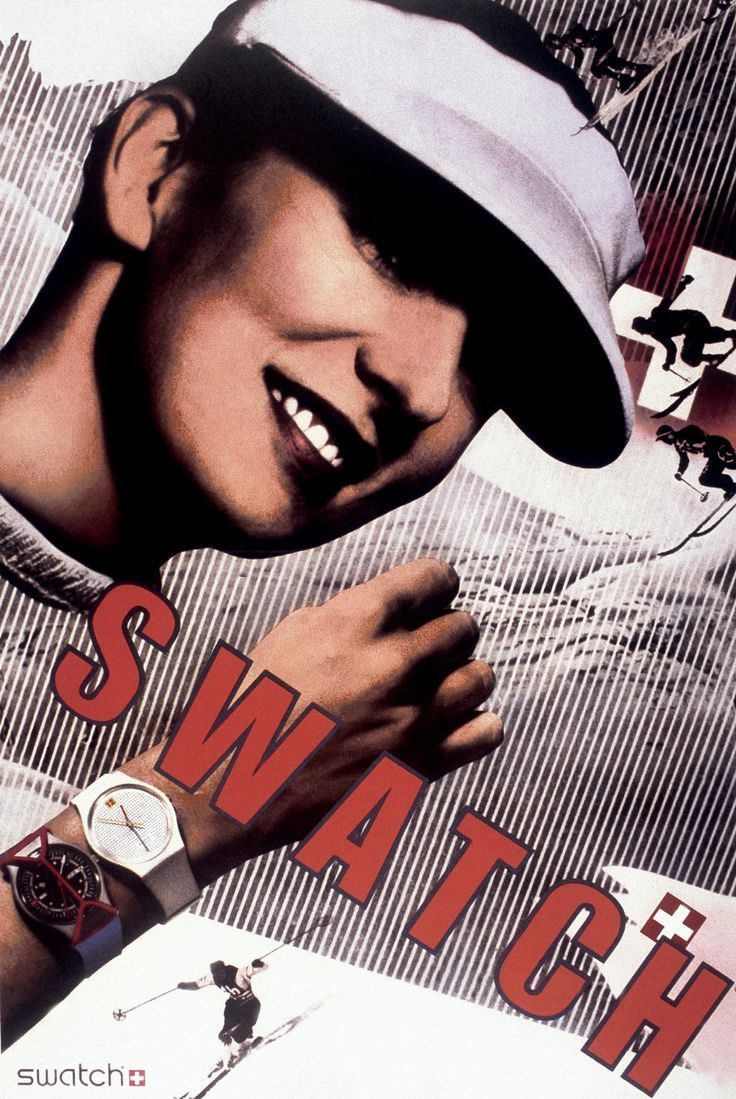
Swatch “copycat” Bauhaus advertisement (1984) — explicit pastiche of a Herbert Matter Swiss tourism poster for a Swatch watch campaign. A calculated act of postmodern citation; internally notorious in the design community.

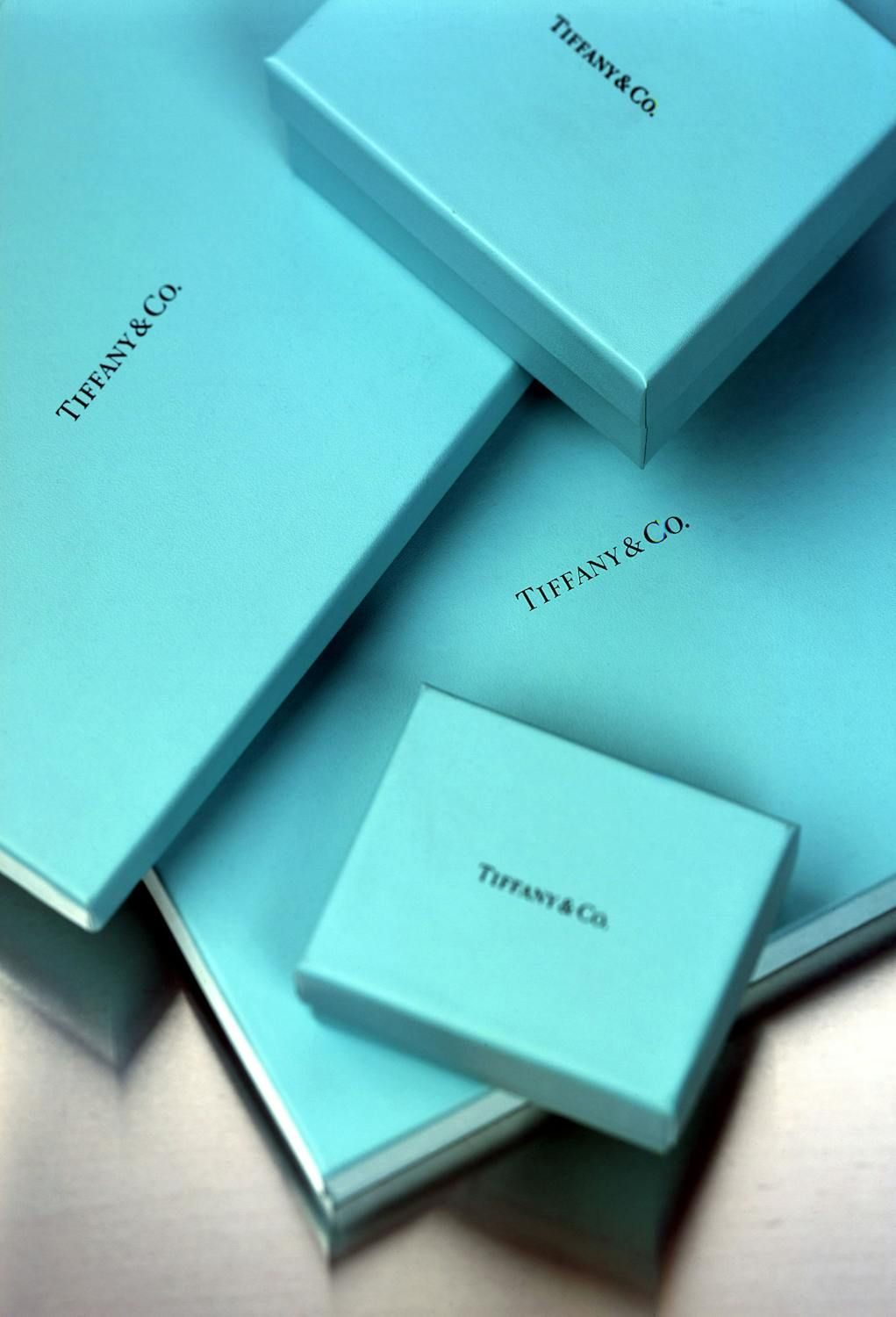
Tiffany & Co. (2014) — identity refresh tuning the wordmark and typographic system.

Iconic works

Public Theater identity system, 1994

Public Theater identity system

1994

Wood-type-derived, typographically maximalist identity for the Joseph Papp Public Theater in New York, commissioned by artistic director George C. Wolfe in 1994. The system combines nineteenth-century wood-type display faces including Knockout, Big Caslon, and Morgan Poster in dense seasonal poster layouts that change with each production. Still in use three decades later, the identity is maintained by The Public Theater and is widely cited as a case study in expressive typographic identity design.
Public Theater identity system (1994).
CBS Records album covers, 1972/1982

CBS Records album covers

1972/1982

Approximately 150 album covers a year across pop, jazz, and classical for CBS Records during her decade as art director of the cover department. Artists included Boston, the Rolling Stones, Bob James, and Eric Gale; Gale's "Ginseng Woman" (1977) and Boston's "Don't Look Back" (1978) are among the period's most reproduced examples. The body of work earned multiple Grammy nominations for album cover design.
CBS Records album covers (1972/1982).
Swatch "Bauhaus copycat" advertisement, 1984

Swatch "Bauhaus copycat" advertisement

1984

Print advertisement for Swatch, produced at Koppel & Scher, that deliberately pastiched a 1934 Herbert Matter Swiss tourism poster. The act of explicit visual citation generated sustained discussion within the design community at a time when postmodern appropriation was actively debated. The work is now a standard case study in graphic design education, reproduced alongside the source Matter poster to illustrate the mechanics of postmodern citation.
Swatch "Bauhaus copycat" advertisement (1984).
Citibank identity, 1998

Citibank identity

1998

Wordmark and red-arc mark produced at Pentagram for the 1998 merger of Citicorp and Travelers Group into Citigroup. The red arc was adapted from the Travelers umbrella symbol, unified with the Citi wordmark into a single brand system designed to span retail banking, insurance, and investment services. Reportedly developed at the initial client meeting; the core identity elements remain in use across Citigroup's global operations.
Citibank identity (1998).
Tiffany & Co. identity refresh, 2014

Tiffany & Co. identity refresh

2014

Typographic refresh of the Tiffany & Co. brand system, developed at Pentagram's New York studio. The project refined the jeweller's longstanding wordmark and standardised the typographic system across packaging, retail environments, and print communications worldwide. The refreshed identity was applied across Tiffany & Co.'s flagship stores and global retail operations.
Tiffany & Co. identity refresh (2014).
Windows 8 logo, 2012

Windows 8 logo

2012

Commissioned by Microsoft, the mark replaced the four-colour waving-flag Windows logo, in use since Windows XP, with a flat single-colour window in geometric perspective. Developed at Pentagram's New York studio and released with Windows 8 in 2012, it was applied across Windows Phone 8 and Microsoft's wider product communications. The design aligned the Windows identity with Microsoft's broader shift to a flat, geometric visual language across its software and device range.
Windows 8 logo (2012).
Make It Bigger, 2002

Make It Bigger

2002

Autobiographical essay collection published by Princeton Architectural Press (2002), ISBN 978-1-56898-332-0, drawing on Scher's career from CBS Records through her partnership at Pentagram. The title essay argues against research-driven design processes in favour of direct craft decision-making, illustrated through specific commissions and the judgement calls behind them. A companion volume, Paula Scher: Maps (Princeton Architectural Press, 2011), documents her parallel practice as a large-scale painter.
Make It Bigger (2002).

Influence & legacy

Scher reopened a door the Swiss school had closed. Her insistence that typography can be loud, historical, expressive and still work as brand identity legitimised an entire lineage of American graphic design — from Chip Kidd’s book covers through the new-wave identity studios of the 2000s to contemporary practices like Base Design and OCD.

She is also the most visible counter-example to the (still common) notion that expressive typography and serious corporate identity are opposed. Citibank, Tiffany, Microsoft, Bloomberg Philanthropies, the Metropolitan Opera and MoMA all commissioned her — and her voice is audible in each.

Through her teaching at SVA since 1992 and her consistent gallery and conference presence, she has mentored a generation of American designers directly. The Netflix Abstract episode (2017) introduced her to a broader public audience than most designers ever reach.

Learn at TGDS

Scher’s work sits across typography, logo design and editorial expression. If her approach resonates, the most direct next steps are:

Courses

Further reading

Books

  • Paula Scher, Make It Bigger (Princeton Architectural Press, 2002).
  • Paula Scher, Paula Scher: Maps (Princeton Architectural Press, 2011).
  • Abstract: The Art of Design — Netflix, Season 1 Episode 6 (2017), directed by Richard Press.

Get Started.

You can enrol any day of the year. We are online and study is self-paced, there is no pressure. Enrol when you are ready to start, from anywhere in the world. If you would like to chat or email, feel free to get in touch.

Brochures, Phone Calls & Questions

You can download a free brochure, book a phone call with one of our course advisors, or simply ask a question.

Other ways to get in touch

Australia 1300 655 485

International +61 1300 655 485

Ask Anything info@thegraphicdesignschool.com

Get a quote accounts@thegraphicdesignschool.com

Acknowledgement of Country
The Graphic Design School acknowledges the Traditional Custodians of Country throughout Australia and their continued spiritual connection to land.
We pay respect to Elders past, present and emerging.
Always was, always will be.
RTO Provider № 91706